
The 3-2-1 Rule: A Simple, Proven Strategy for SQL Server Backups

When something goes wrong with a SQL Server database, it’s rarely convenient. A failed disk, ransomware, accidental deletion, or a bad deployment can turn into a business-stopping event in minutes.
One of the simplest ways to protect yourself is by following the 3-2-1 backup rule. It’s an old idea, but it remains one of the most effective foundations for SQL Server backup and recovery today.
What Is the 3-2-1 Backup Rule?
The rule is easy to remember:
3 copies of your data
2 different types of storage
1 copy stored off-site
Let’s break that down in a SQL Server context.
1. Three Copies of Your SQL Server Data
This includes:
- Your primary production database
- At least two backup copies
In practice, this usually means a combination of:
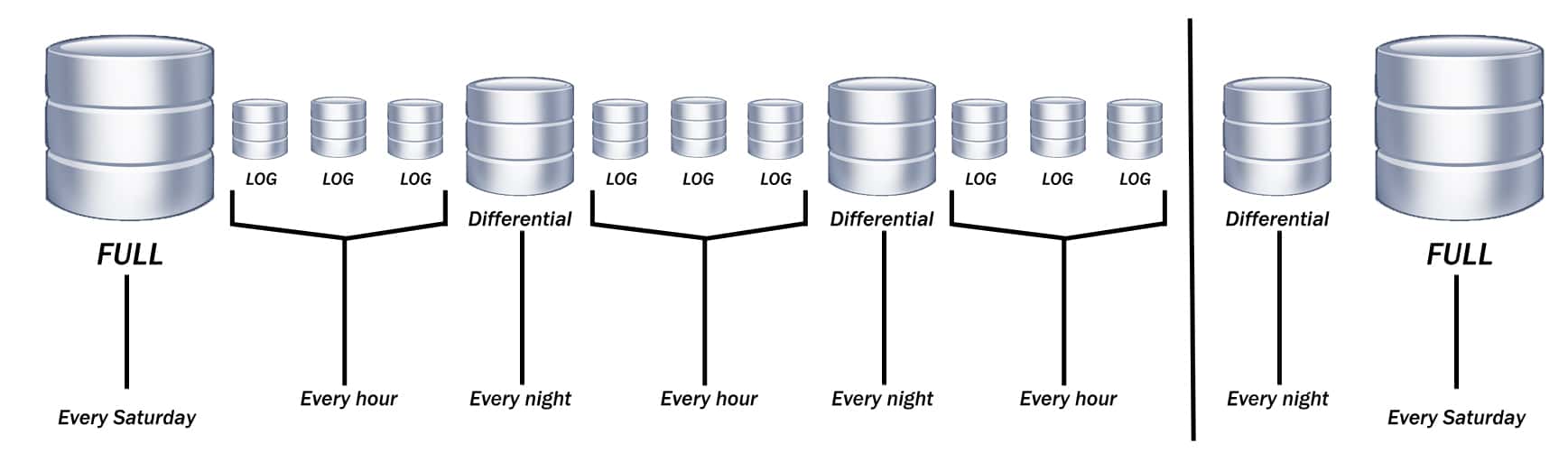
- Full backups
- Differential backups
- Transaction log backups
The goal is simple: if one copy is corrupted or unavailable, you still have options.
2. Two Different Storage Types
Relying on a single storage system is risky. If that system fails, everything goes with it.
For SQL Server, different storage types might include:
- Local disk on the database server
- Network-attached storage (NAS)
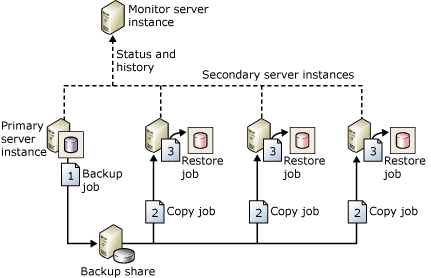
- Separate storage volumes or backup servers
Using multiple storage types reduces the chance that a single failure takes out all your backups at once.
3. One Off-Site Backup
This is the part many environments skip—and later regret.
An off-site copy protects you from:
- Ransomware
- Fire or flood
- Hardware theft
- Total site failure
For SQL Server, off-site backups are commonly stored in:
- Cloud storage (Azure Blob, AWS S3, etc.)
- A secondary data center
- Secure remote backup locations
The key point: if your entire primary site disappears, you can still recover.
Why the 3-2-1 Rule Still Matters for SQL Server
Modern infrastructure doesn’t eliminate risk—it changes it.
We often see SQL Server environments where:
- Backups exist, but have never been tested
- All backups live on the same server
- Off-site backups are “planned” but not actually configured
- Restore times are unknown until it’s too late
The 3-2-1 rule forces discipline. It makes you think not just about having backups, but about whether they will actually save you when you need them.
Backups Are Only Half the Story
A backup strategy is only as good as its ability to restore.
That means:
- Regular restore testing
- Verifying backup integrity
- Knowing your recovery time objectives
- Documenting the recovery process
Without this, backups can give a false sense of security.
Need Help Validating Your SQL Server Backup Strategy?
At BAS Technologies, we help organizations review, fix, and harden their SQL Server backup and recovery setups—without unnecessary complexity.
If you’re not 100% confident that your backups will work when it matters, we can help you:
- Review your current backup configuration
- Validate alignment with the 3-2-1 rule
- Test restores safely
- Identify gaps before they become incidents
👉 Contact BAS Technologies today to make sure your SQL Server backups are actually protecting your business.